search engine positioning - draft
In today’s competitive digital marketplace, search engine positioning is often treated as the ultimate goal of digital marketing. Many agencies promise higher rankings, page-one visibility, and increasing website traffic as proof of success. However, the harsh reality most businesses eventually discover is that search engine positioning alone does not generate revenue. A website may appear at the top of search results, but if visitors are not converted into leads or customers, those rankings provide little value. After years working with local service businesses and lead generation systems across Western Canada, one clear truth stands out: the difference between successful marketing campaigns and ineffective ones is not simply search engine positioning. The real difference lies in the system that captures, manages, and converts the traffic generated by that positioning.
What Is Search Engine Positioning?
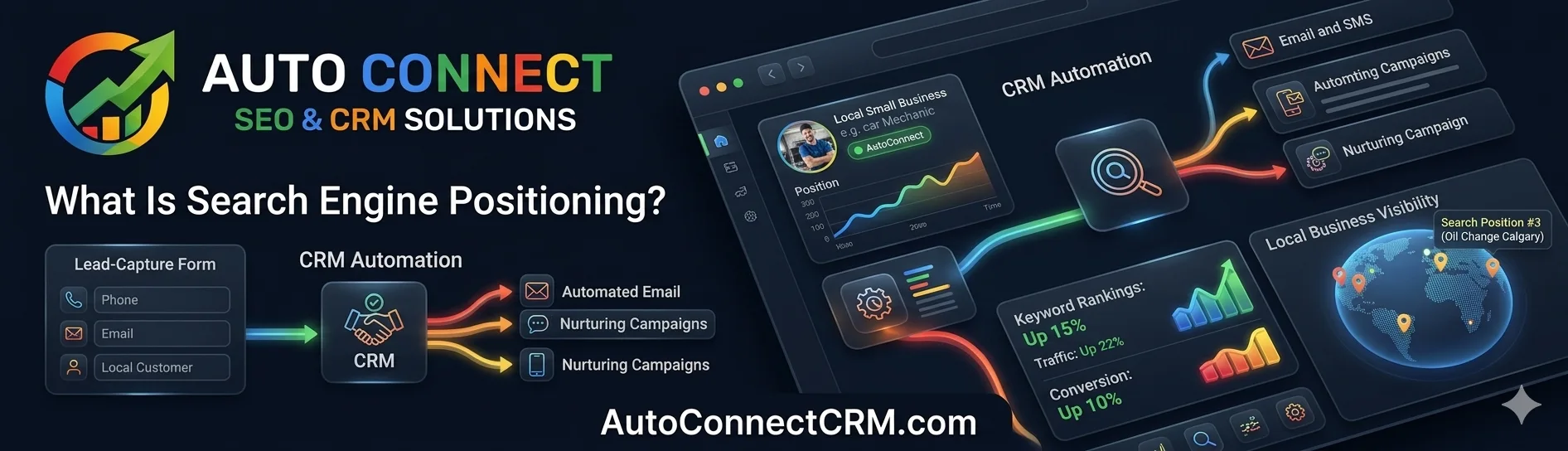
Search engine positioning refers to the process of improving where a website appears within search engine results pages for targeted keywords. Businesses invest in search engine positioning so that potential customers searching online can easily find their services. Effective search engine positioning is typically achieved through a combination of local SEO strategies, technical website improvements, optimized content, and high-quality backlinks. When a company improves its search engine positioning, it becomes more visible to users searching for solutions to their problems.
For Calgary businesses, strong search engine positioning often means appearing in Google search results for phrases such as Calgary plumber, Calgary HVAC service, or Calgary oil change. Achieving strong search engine positioning allows businesses to appear directly in front of customers actively looking for their services. However, while search engine positioning improves visibility, it is only the first step in a larger digital growth strategy.
The Real Problem With Most SEO Strategies
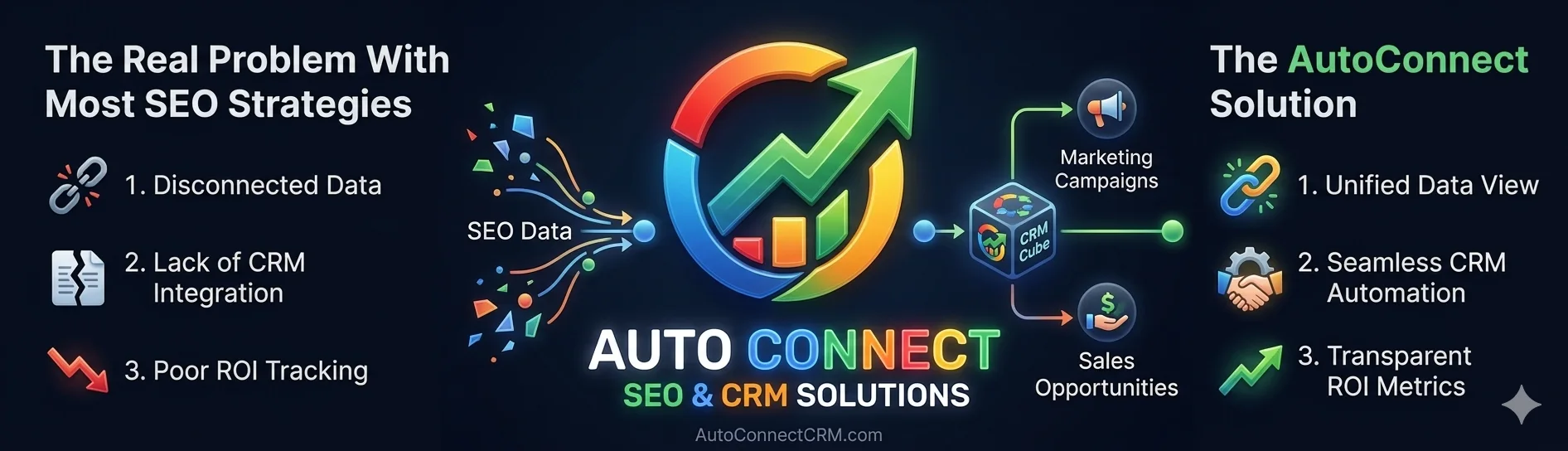
Across Calgary’s digital marketing landscape, most SEO campaigns follow the same predictable formula. Agencies focus on improving search engine positioning and increasing website traffic but rarely address what happens after a visitor reaches the website. This disconnect creates a significant gap between search engine positioning and actual revenue generation for businesses.
Too Much Focus on Rankings
Many SEO agencies measure success solely by improvements in search engine positioning. Their reports emphasize keyword rankings, impressions, and organic traffic growth. While these metrics may indicate improved search engine positioning, they do not necessarily translate into phone calls, booked appointments, or paying customers. A company may achieve strong search engine positioning yet still struggle to generate meaningful leads if no system exists to convert visitors once they arrive on the site.
Generic Marketing Promises
Another weakness common across SEO agencies is vague marketing language that emphasizes search engine positioning without explaining real business impact. Businesses frequently hear phrases such as “increase your online visibility” or “grow your digital presence.” While improved search engine positioning may increase website visits, businesses ultimately care about outcomes such as phone calls, form submissions, and sales. Without a strategy beyond search engine positioning, these promises remain superficial.
No Conversion Strategy
Many SEO campaigns treat a website as the final destination rather than the beginning of a customer journey. Once a visitor arrives due to improved search engine positioning, the expectation is that the website will automatically convert them into a lead. In reality, many businesses lose potential customers because contact forms go unanswered, calls are missed, and inquiries are never followed up. Without a system to capture and manage leads generated through search engine positioning, businesses lose valuable opportunities.
The System That Actually Works
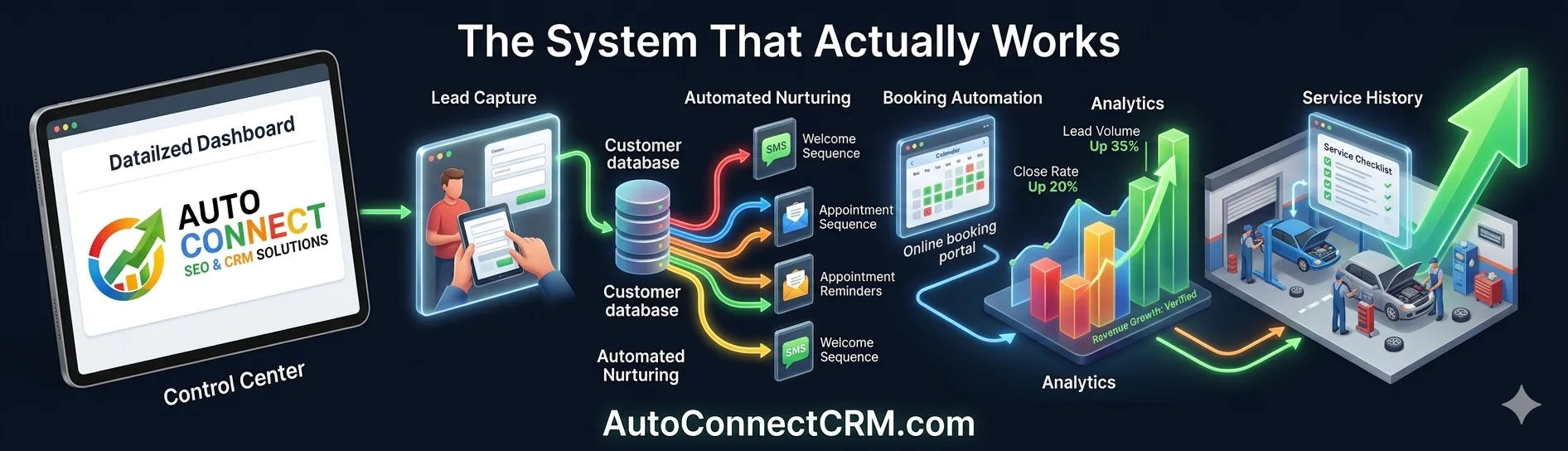
The most effective marketing strategies combine search engine positioning with systems designed to capture and convert leads. Businesses that succeed online do not rely solely on improved search engine positioning. Instead, they combine visibility with structured lead management processes.
Stage 1: Get Found
The first step in any digital growth strategy remains strong search engine positioning. Businesses must appear where customers are searching, which requires optimizing Google Maps listings, improving website SEO, developing content, and building backlinks. Effective search engine positioning increases visibility and ensures businesses are discovered when potential customers search for relevant services.
Stage 2: Convert the Lead
Once search engine positioning brings visitors to a website, the second stage begins. Businesses must capture inquiries, respond quickly, and track every opportunity. Without systems in place to manage leads generated through search engine positioning, many businesses lose a large percentage of potential customers. This is where customer relationship management systems and automation tools become essential.
Why SEO Without CRM Is Broken Marketing
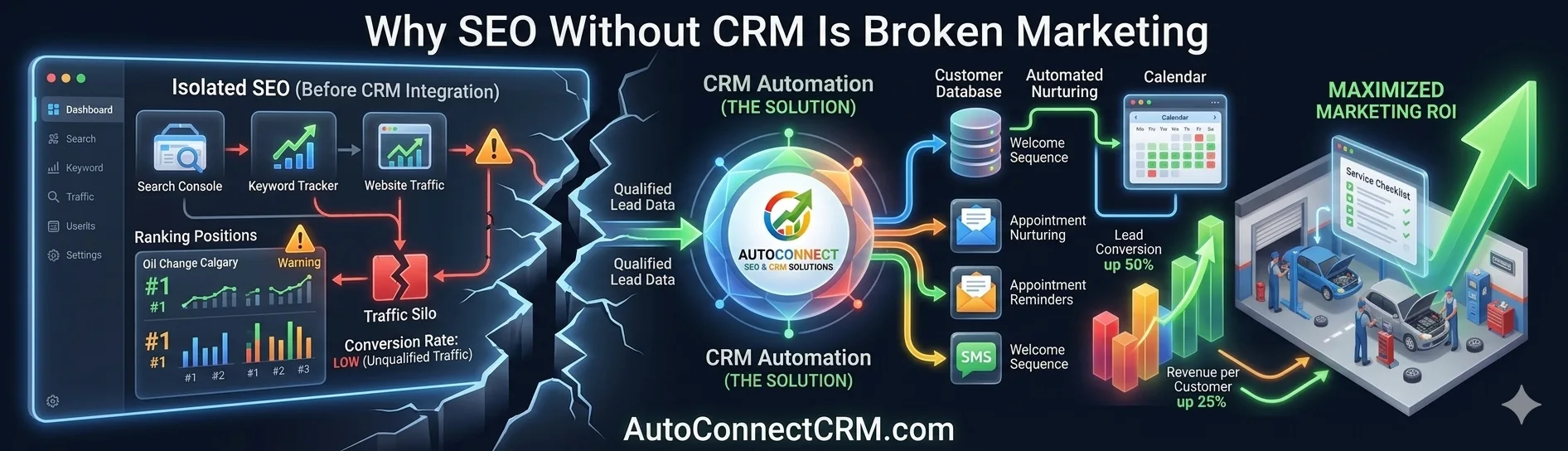
Many local businesses invest heavily in improving search engine positioning, yet they still struggle to convert visitors into customers. The problem is rarely a lack of traffic. Instead, businesses lose leads because calls go unanswered, emails are ignored, and inquiries are not tracked.
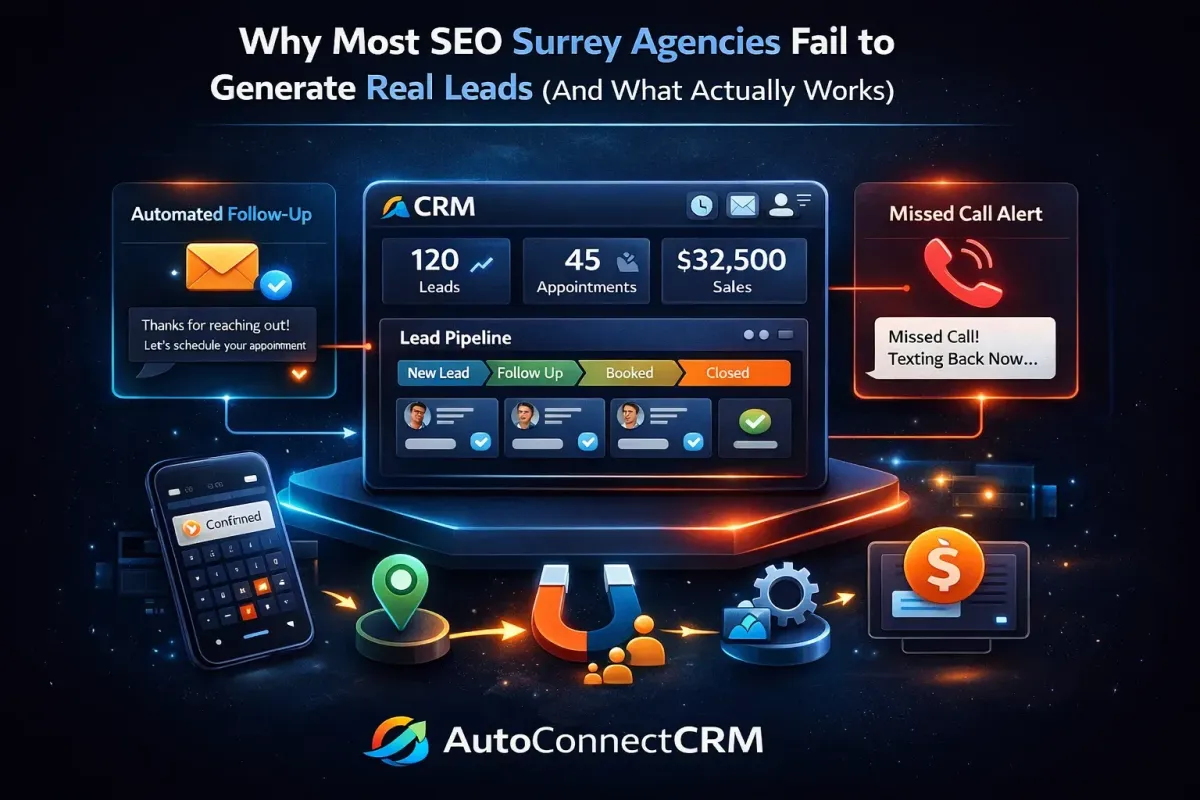
Systems such as AutoConnect CRM were developed to solve this problem by connecting search engine positioning directly to lead management. When search engine positioning drives traffic into a CRM system, businesses can automatically respond to inquiries, send missed-call text messages, schedule appointments, and track every lead through a pipeline. In this way, search engine positioning becomes the starting point for a complete marketing and sales process.
Case Study: Cosmos Customs (Calgary Automotive Service)
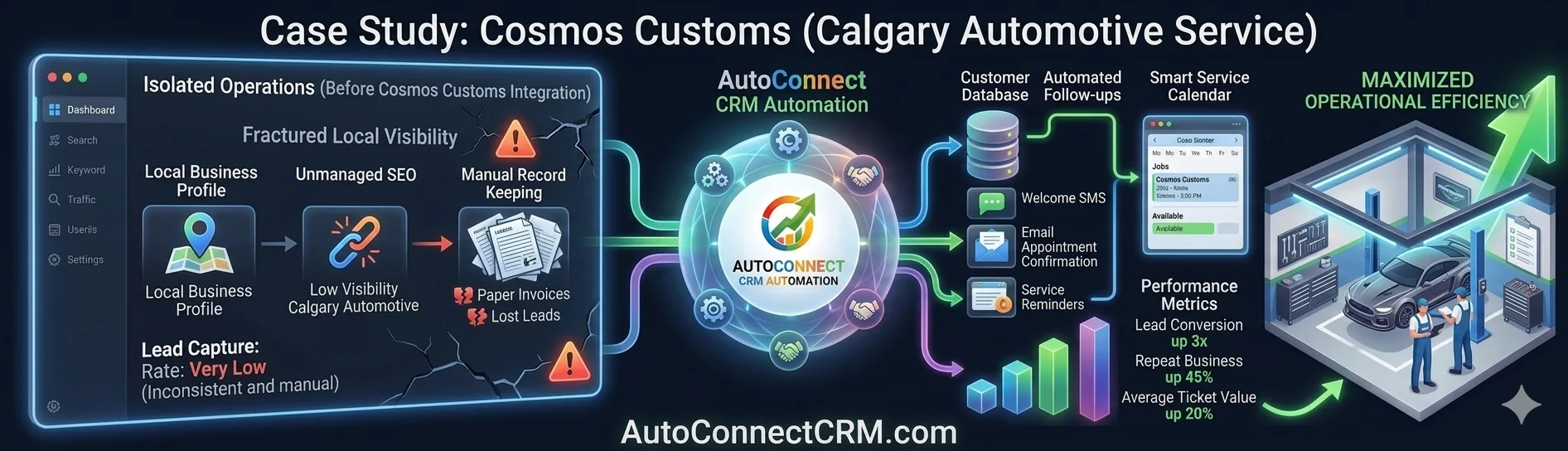
Cosmos Customs is a Calgary automotive service business that illustrates how search engine positioning can increase visibility for local companies.
The Problem
The business relied heavily on word-of-mouth referrals and had minimal online visibility. As a result, potential customers searching online rarely discovered the shop, and their search engine positioning remained limited.
What Changed
A targeted strategy focused on improving search engine positioning through local SEO improvements, service page optimization, and Google Business Profile enhancements. Additionally, the website was optimized to capture leads more effectively.
Results
Improved search engine positioning increased the shop’s visibility in Google search results and Google Maps, resulting in more phone inquiries and greater local discovery.
Case Study: Lucky Duct (Calgary HVAC Service)
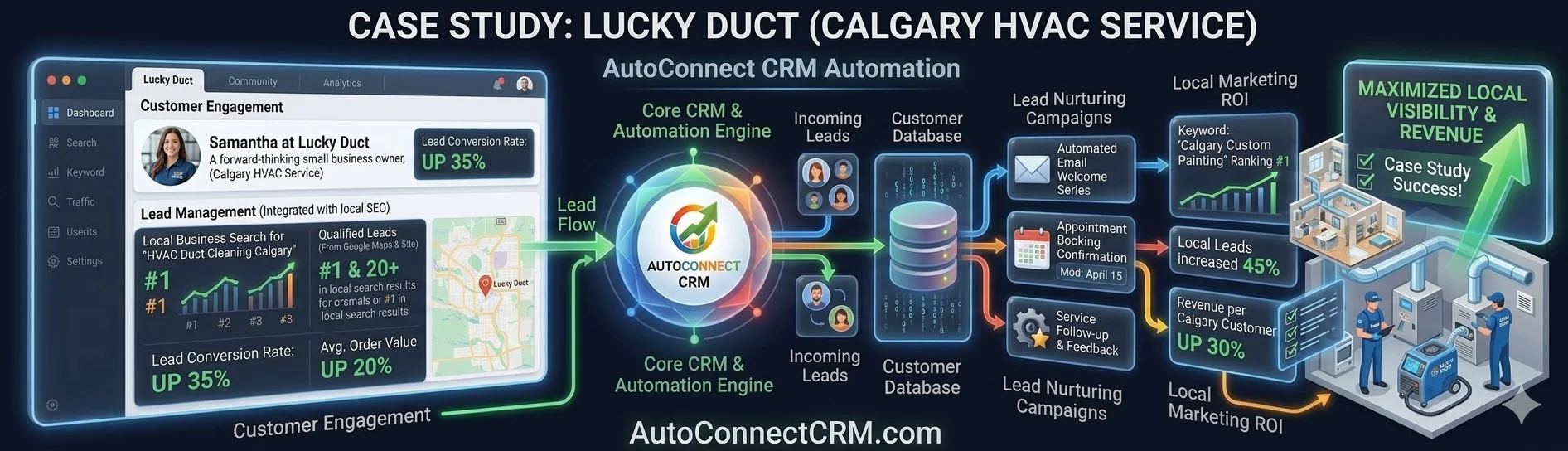
Lucky Duct operates in Calgary’s competitive HVAC market, where strong search engine positioning is critical.
The Problem
Competitors dominated search results and local map listings, leaving the business with limited search engine positioning and minimal online discovery.
What Changed
The strategy focused on improving search engine positioning through localized content, optimized service pages, and Google Business Profile improvements.
Results
As search engine positioning improved, the company gained stronger local visibility, leading to increased inbound calls and more local customer inquiries.
Case Study: CRM Systems Increasing Lead Conversion
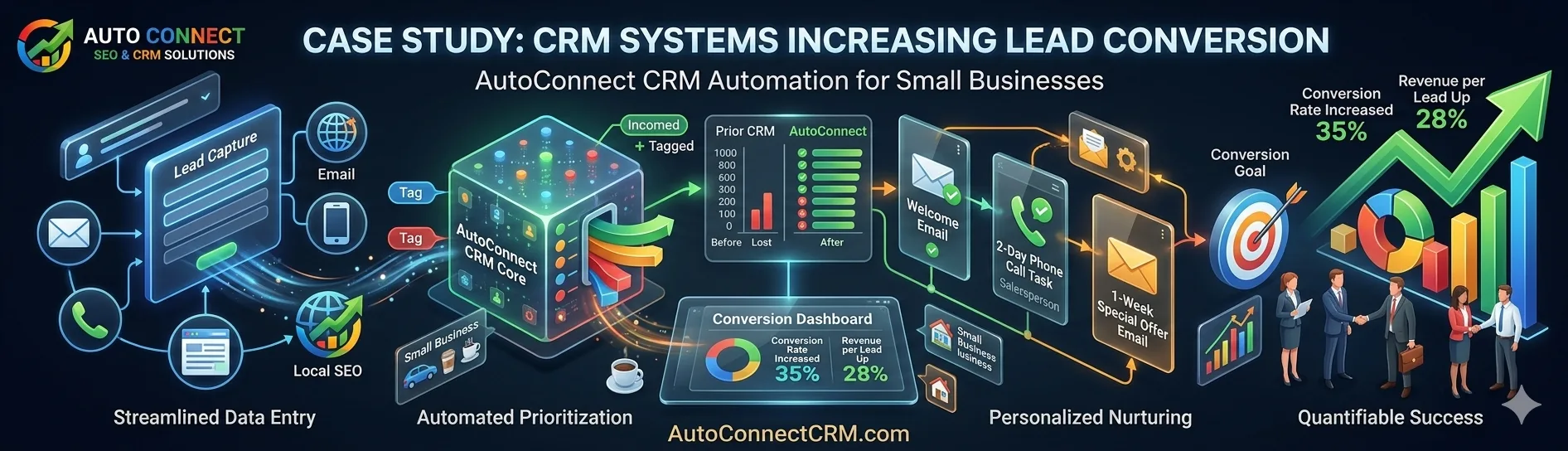
Across multiple industries, businesses discovered that improved search engine positioning alone was not enough to increase revenue.
The Problem
Leads generated through search engine positioning were often lost due to slow response times and lack of tracking.
The Solution
CRM systems with automation features were implemented to capture leads from search engine positioning, send automatic responses, and track opportunities.
Results
Businesses experienced faster response times, higher engagement from leads, and improved conversion rates from the traffic generated by search engine positioning.
The Future of Search Engine Positioning
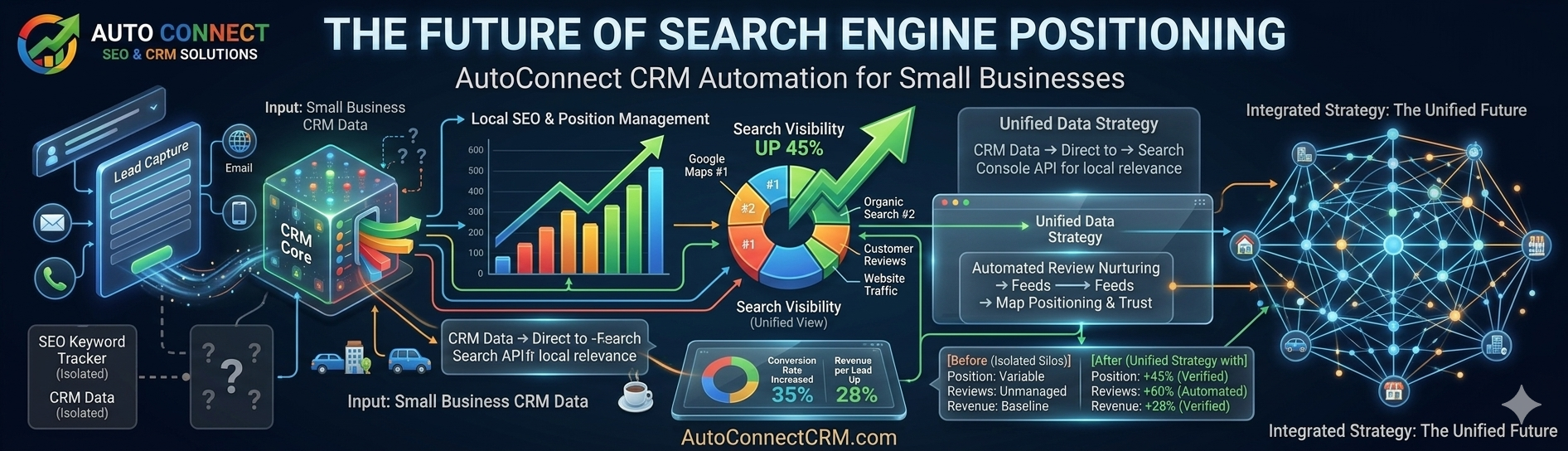
As search engines evolve, search engine positioning continues to change alongside new technologies. Voice search, artificial intelligence, and local search behavior are shaping how customers discover businesses online. However, regardless of technological changes, the principle remains the same: search engine positioning alone does not create revenue. It simply creates opportunities for businesses to connect with potential customers.
Companies that combine search engine positioning with automation systems, CRM tools, and conversion strategies will consistently outperform competitors who focus only on rankings.
Final Thoughts: Rethinking SEO for Local Businesses
Many businesses believe that improving search engine positioning is the ultimate goal of digital marketing. In reality, search engine positioning is only the first step toward sustainable growth. Visibility in search results creates opportunities, but converting those opportunities into real customers requires systems designed to capture and manage leads.
The businesses that dominate local markets combine strong search engine positioning with conversion optimization, automated follow-ups, and CRM pipeline management. When these systems work together, the traffic generated through search engine positioning becomes measurable business growth.
Get a Free Local SEO Audit
If you want to understand how your business currently performs in search results, the first step is evaluating your search engine positioning and identifying where opportunities exist. A comprehensive local SEO audit can reveal where your website ranks, how competitors outperform you, and how many potential leads your business may be missing.
Request a free SEO audit today to discover how improved search engine positioning, combined with automation and CRM systems, can transform website traffic into real customers.


